
Transform Your Kitchen Into a Wellness Hub
Master the art of sustainable, healthy cooking practices that nourish your body and respect the environment. Learn science-backed techniques from our editorial team.
The information on this site is for educational purposes only and does not constitute medical advice. Always consult a qualified healthcare professional before making health decisions.
Key Principles of Sustainable Healthy Cooking
Whole Food Focus
Build your meals around minimally processed whole foods. Seasonal produce, legumes, whole grains, and natural proteins form the foundation of sustainable eating that energizes your body.
Local & Seasonal Sourcing
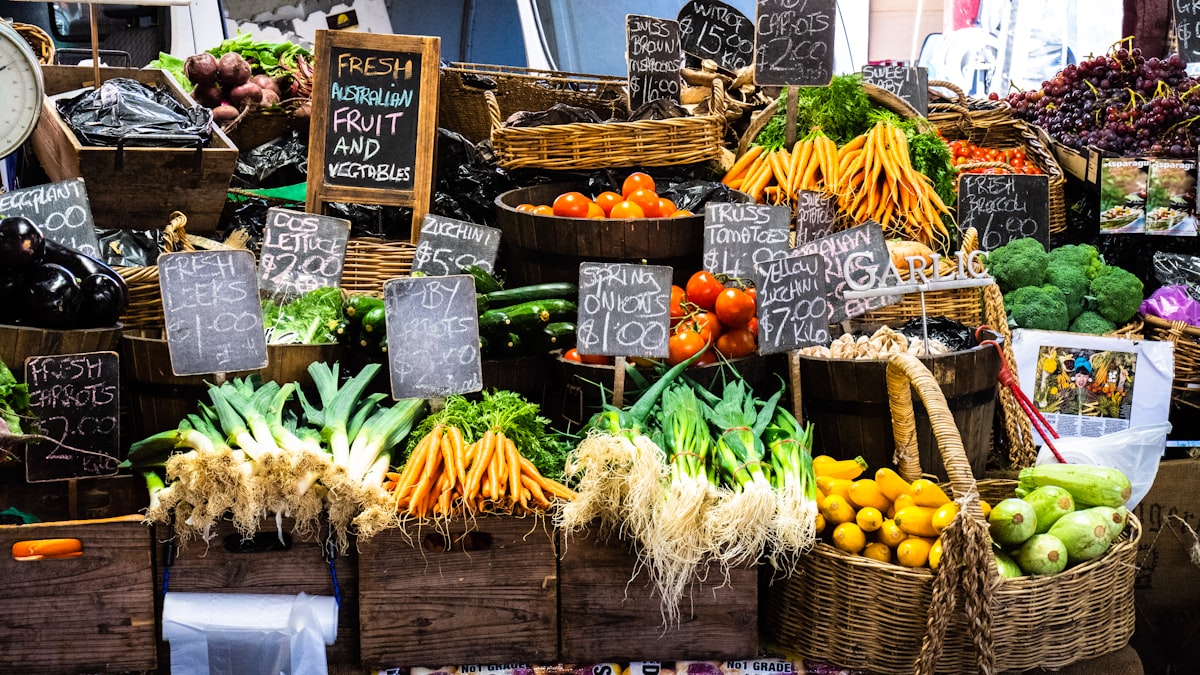
Choose ingredients grown locally and in season. This reduces transportation impact, supports your regional farmers, and ensures peak nutritional value and flavor in every ingredient you prepare.
Mindful Preparation Methods
Learn cooking techniques that preserve nutrients and enhance digestion. From gentle steaming to proper fermentation, every method has a purpose in maintaining food quality and bioavailability.
Why Sustainable Cooking Matters
Sustainable healthy cooking is not just a trend—it is a foundational approach to nourishing yourself while respecting planetary boundaries. When you choose local, seasonal ingredients and mindful preparation methods, you directly impact both your wellbeing and environmental sustainability.
Our editorial platform guides you through every step: understanding nutrition, selecting quality ingredients, mastering preparation techniques, and building lasting habits. You will discover how simple shifts in your kitchen can create profound changes in your health and community.
- Detailed guides on ingredient selection and seasonal eating
- Step-by-step recipes with nutritional insights and preparation tips
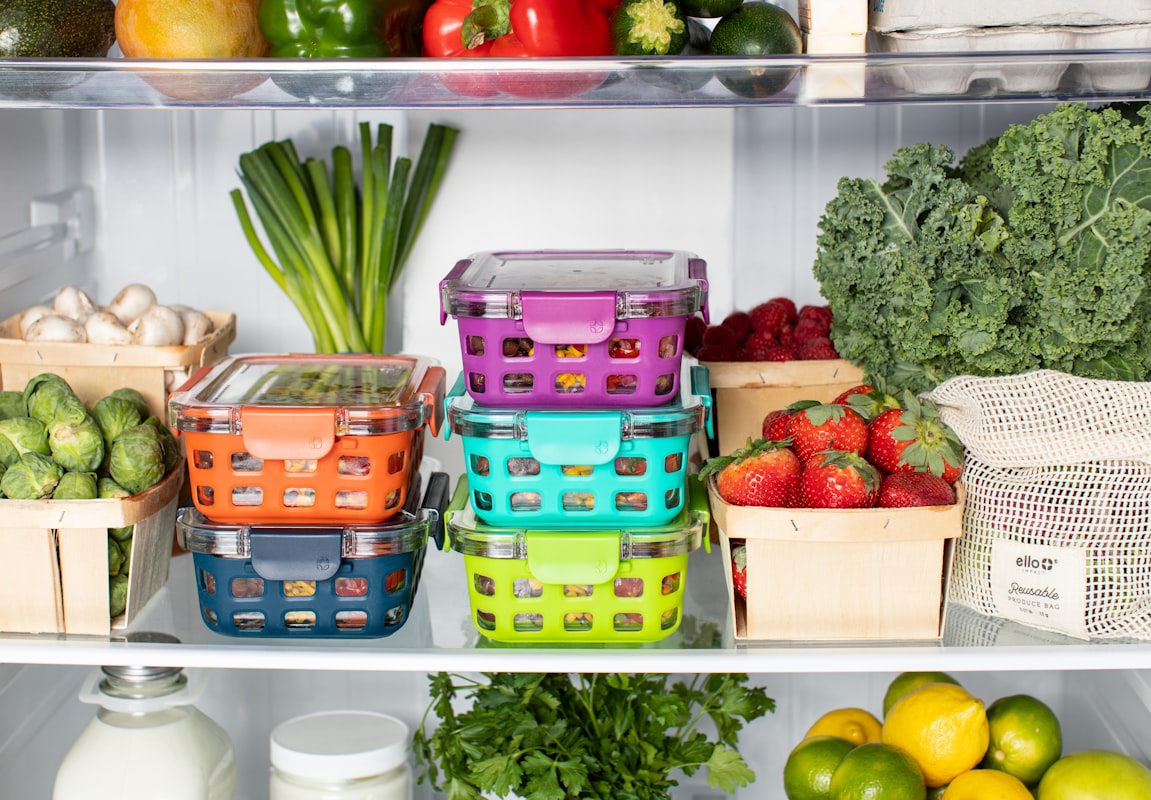
- Practical strategies for reducing food waste and kitchen impact
- Community stories and expert perspectives on healthy living
Your 5-Step Journey to Healthier Eating
Understand Your Current Kitchen Habits
Begin by assessing what you currently eat, where ingredients come from, and how you prepare food. Our comprehensive guides help you identify patterns and opportunities for meaningful change.
Learn Local & Seasonal Sourcing
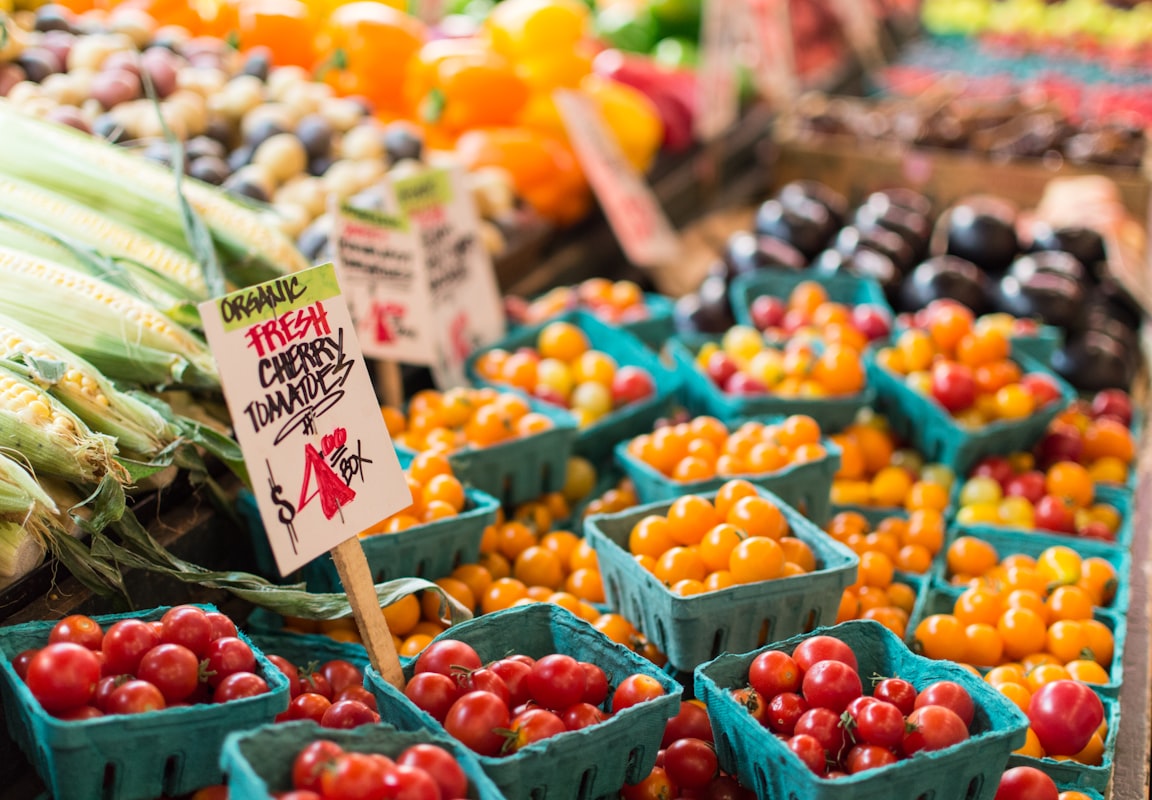
Discover regional farmers, seasonal produce calendars, and how to build relationships with local food producers. Access detailed seasonal guides for Poland and practical shopping strategies.
Master Sustainable Preparation Methods
Learn traditional and modern cooking techniques that preserve nutrients and enhance digestion. From proper knife skills to fermentation, each technique is explained with clear reasoning and step-by-step instructions.
Implement Practical Recipes & Meal Ideas
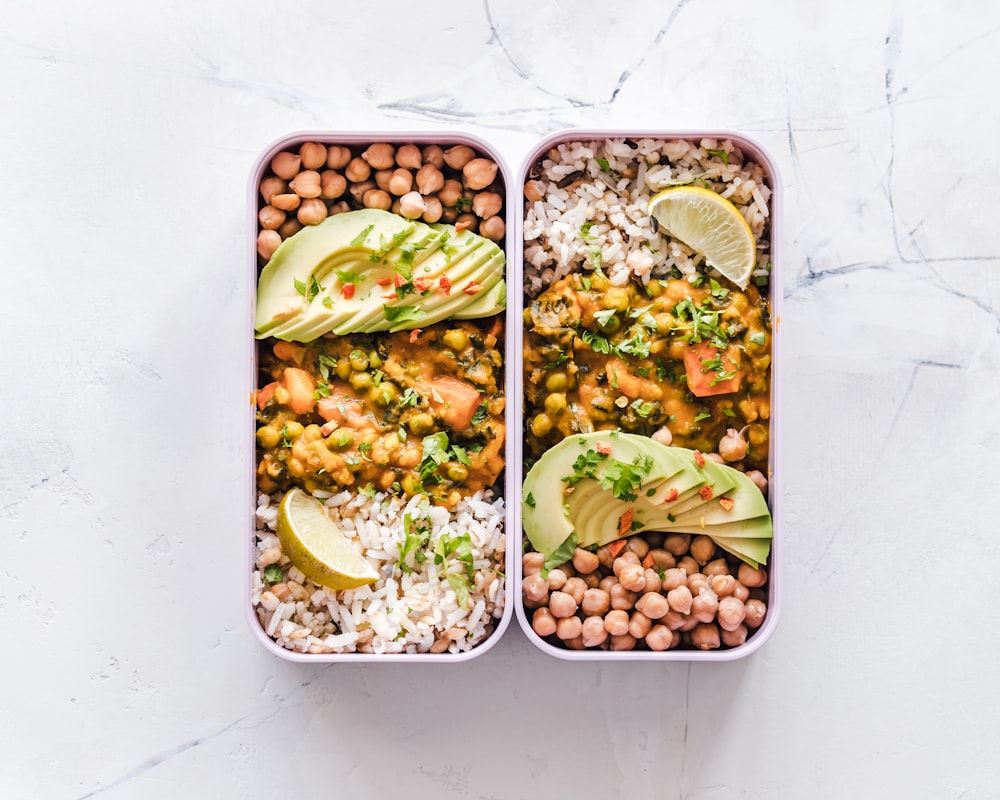
Access our extensive recipe collection featuring whole foods, seasonal ingredients, and sustainable practices. Each recipe includes nutritional insights, storage tips, and batch-cooking strategies.
Build Long-Term Sustainable Habits
Create lasting change through habit formation, waste reduction strategies, and community engagement. Our resources guide you in maintaining momentum and deepening your commitment to sustainable healthy eating.
Seasonal Ingredients in Action
Spring: Fresh Renewal
Spring brings tender greens, asparagus, peas, and fresh herbs. Learn how to prepare these delicate ingredients to maximize their flavor and nutrient density during this rejuvenating season.

Summer: Abundance & Energy
Summer offers berries, tomatoes, cucumbers, and zucchini in peak abundance. Discover light preparation methods that celebrate natural flavors while providing sustained energy throughout warm months.

Autumn: Grounding & Warmth
Autumn brings root vegetables, squash, apples, and hearty greens. Learn warming cooking methods that build resilience and prepare your body for the transition into cooler months.
Winter: Resilience & Depth
Winter features stored vegetables, hardy greens, citrus, and preserved foods. Master slow-cooking and fermentation techniques that deepen flavors while supporting immune resilience in cold weather.
Fermentation: Living Foods
Fermented vegetables and probiotic-rich foods support digestive health year-round. Our guides teach traditional fermentation methods that enhance bioavailability and preserve seasonal abundance.
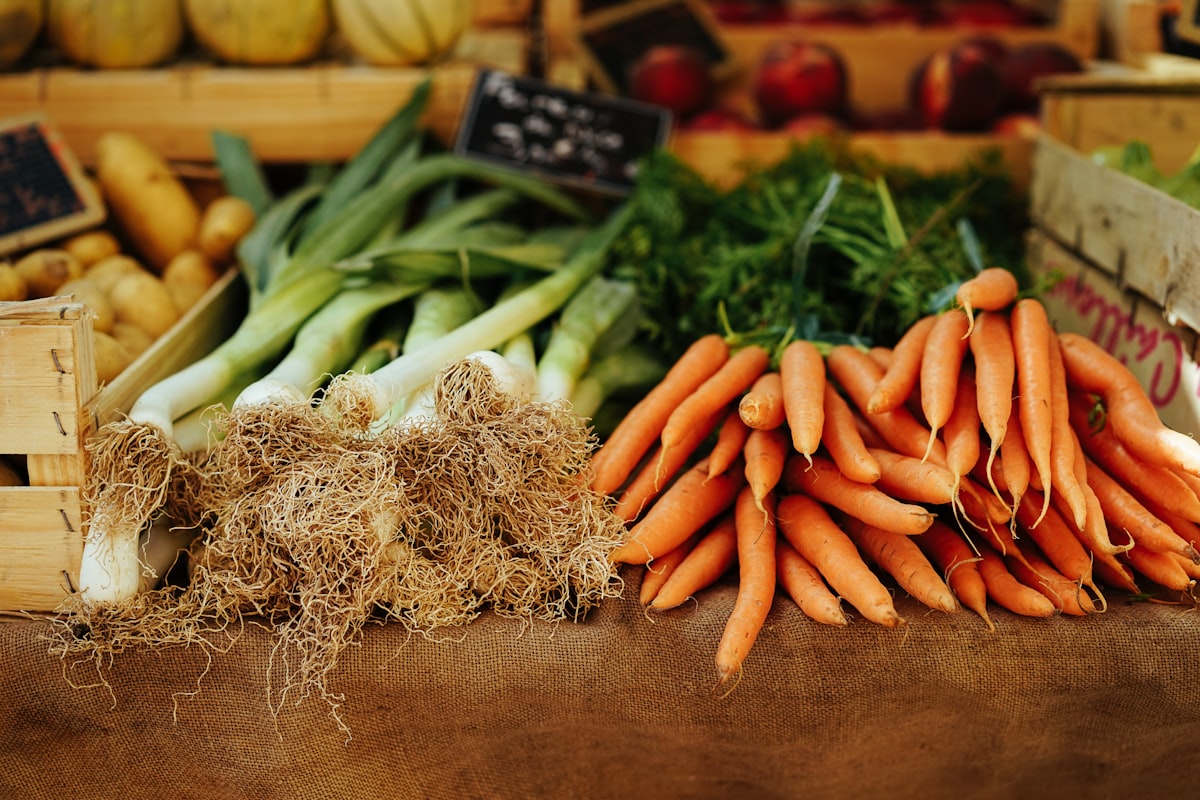
Pantry Staples: Foundation
Whole grains, legumes, nuts, and seeds form the foundation of sustainable cooking. Learn how to select, store, and prepare these staples for maximum nutrition and flavor.
Stories from Our Community
"The Healthychoiceschool articles completely transformed how I approach cooking. I learned that sustainable eating is not restrictive—it is liberating. Within weeks of following the seasonal guides, I noticed more energy, better digestion, and a real connection to where my food comes from. The step-by-step recipes make everything accessible, even for a busy parent like me."
Anna Wieliczko
Kraków, Poland
4.9/5
"I was skeptical about making major dietary changes, but the articles on whole food cooking gave me confidence. The nutritional insights explained in simple terms helped me understand why each ingredient matters. My kitchen is now filled with seasonal Polish produce, and I feel genuinely better."
Marek Kowalski
Warsaw, Poland
"The fermentation guides alone are worth exploring. Learning traditional techniques that my grandmother used made me feel connected to our culinary heritage while preparing food in the most nourishing way. The community here is genuinely supportive."
Ewa Jakubowska
Wrocław, Poland
"As someone new to sustainable cooking, I was overwhelmed at first. But these articles break everything into manageable steps. The recipe collection is incredible, and knowing I am supporting local farmers makes every meal feel purposeful. Highly recommend for anyone starting this journey."
Tomasz Siwicki
Gdańsk, Poland
Common Questions About Sustainable Cooking
Sustainable cooking combines three core practices: sourcing local and seasonal ingredients, using minimal processing, and employing preparation methods that preserve nutrition and reduce waste. It is about making intentional choices in your kitchen that benefit both your health and the environment.
This means building relationships with local farmers, understanding seasonal produce cycles, learning traditional cooking methods, and minimizing single-use packaging. It is a holistic approach to nourishment.
Sustainable cooking can actually be more affordable than processed food diets. Buying seasonal produce directly from farmers and local markets is often cheaper than supermarket prices. Whole foods like legumes, grains, and seasonal vegetables cost less per serving than packaged alternatives.
Our guides include budget-friendly strategies, batch-cooking methods, and waste-reduction techniques that maximize value from every ingredient you purchase.
Poland has a rich tradition of local food markets and farmer networks. Farmers' markets exist in every major city—Warsaw, Kraków, Wrocław, Gdańsk—and many smaller towns. Community Supported Agriculture (CSA) programs connect you directly with producers.
Our regional guides provide directories of local sources, seasonal calendars for Polish agriculture, and strategies for building relationships with farmers. Many producers now offer online ordering and delivery options.
Small grocery shops and specialty markets also stock locally-produced items. The key is connecting with your local food community and understanding what grows when.
No. Sustainable cooking requires only basic, quality kitchen tools: a sharp knife, cutting board, pots, pans, and a few simple utensils. The focus is on skill and intention, not gadgets.
Our articles emphasize working with what you have and choosing durable, long-lasting tools over trendy appliances. Quality basics used mindfully outperform expensive equipment used carelessly. Many traditional cooking methods require nothing more than heat and time.
Sustainable methods have several hallmarks: they preserve nutrient density, reduce energy consumption, minimize packaging waste, and often use techniques passed down through culinary tradition. Methods like steaming, slow cooking, fermentation, and raw preparation align with these principles.
Our detailed guides explain the reasoning behind each technique—why it matters for nutrition, energy efficiency, and taste. We help you understand so you can evaluate methods critically rather than following trends.
Absolutely. Sustainable cooking does not mean spending hours in the kitchen every day. Batch cooking, meal planning, and simple preparations make sustainable eating accessible for busy people.
Our guides include quick recipes, efficient meal prep strategies, and time-saving techniques that maintain nutritional quality. Many sustainable dishes—simple soups, whole grain bowls, roasted vegetables—take 30 minutes or less.
The key is planning ahead and choosing ingredients wisely. A few well-chosen staples prepared with intention beats rushed processing of convenience foods every time.
Start Your Sustainable Journey Today
Explore our comprehensive collection of articles, recipes, and guides on sustainable healthy cooking. Learn from our editorial team and join a growing community committed to nourishing themselves and the planet.